Four Steps Diagonal Infographic: A Powerful Tool for Business Communication
In today's fast-paced business environment, effective communication is essential. Whether you're presenting a new product, outlining a workflow, or explaining a complex process, visual tools can make all the difference. One such tool that stands out is the Four Steps Diagonal Infographic. This design template offers a clear and engaging way to convey information, making it ideal for businesses looking to enhance their marketing efforts, improve internal processes, or create compelling web content.
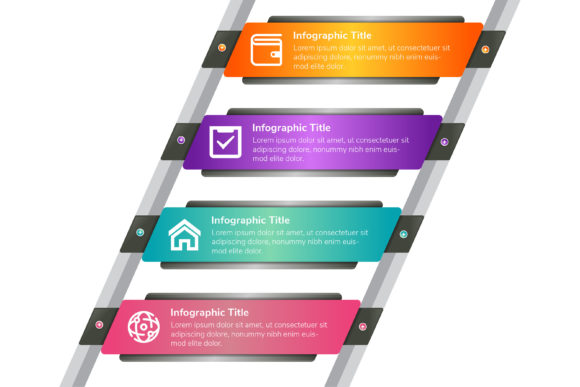
The Four Steps Diagonal Infographic is a versatile design that breaks down a process into four distinct stages. Each step is presented in a diagonal layout, allowing for a dynamic and visually appealing representation of information. This format is particularly useful for illustrating workflows, project timelines, or any multi-step process that benefits from a structured yet creative presentation.
Understanding the Challenges and Needs of Business Communication
Businesses often face challenges when it comes to communicating complex ideas effectively. Traditional text-based explanations can be overwhelming, especially when dealing with intricate processes or data-heavy content. Additionally, many organizations struggle with creating consistent branding across different platforms, whether it's for presentations, websites, or printed materials.
Moreover, the need for high-quality, editable graphics has never been greater. With the rise of digital marketing and online content creation, businesses require resources that are both visually appealing and easy to customize. This is where the Four Steps Diagonal Infographic shines. Its vector-based design ensures that it remains sharp and clear at any size, while its editable features allow for seamless integration into various projects.
How the Four Steps Diagonal Infographic Can Help
The Four Steps Diagonal Infographic is designed to simplify complex information, making it easier for audiences to understand and retain. By breaking down a process into four logical steps, it provides a clear roadmap that can be adapted to suit different industries and use cases. For example, a marketing team could use this infographic to outline a campaign strategy, while a software development company might use it to explain the stages of a project lifecycle.
One of the key advantages of this infographic is its flexibility. The design includes a range of marketing icons, which can be used to represent different concepts, such as advertising, communication, or data analysis. These icons add a visual element that enhances the overall message without cluttering the layout. Additionally, the infographic's modern aesthetic—featuring a colorful, abstract style—makes it suitable for a wide range of applications, from digital banners to print materials.
Practical Applications and Outcomes
The Four Steps Diagonal Infographic can be used in a variety of settings, including but not limited to:
- Marketing Campaigns: Businesses can use this infographic to visually present the key stages of a marketing initiative, helping stakeholders understand the timeline and objectives.
- Internal Workflows: Teams can leverage the infographic to illustrate step-by-step procedures, improving clarity and efficiency within the organization.
- Web Design: Web developers and designers can integrate the infographic into landing pages, dashboards, or user guides to enhance the visual appeal and usability of their sites.
- Presentations: Presenters can use the infographic to break down complex topics into digestible segments, making it easier for audiences to follow along.
By incorporating the Four Steps Diagonal Infographic into these scenarios, businesses can achieve better engagement, clearer communication, and more professional-looking materials. The result is a more informed audience, improved collaboration, and a stronger brand presence.
Examples and Recommendations
Consider a scenario where a startup is launching a new app. They can use the Four Steps Diagonal Infographic to outline the development process, from ideation to launch. Each step could be represented with relevant icons, such as a brainstorming symbol for the initial phase, a coding icon for development, a testing symbol for quality assurance, and a download icon for the final release. This visual breakdown helps stakeholders grasp the project's scope and timeline quickly.
Another example could be a consulting firm that wants to showcase their client onboarding process. Using the infographic, they can clearly define each stage, from initial consultation to implementation and ongoing support. This not only demonstrates their expertise but also builds trust with potential clients by providing a transparent view of their services.
When using the Four Steps Diagonal Infographic, it's important to consider the target audience and the context in which it will be used. For instance, a more traditional business may prefer a simpler, less colorful design, while a tech-savvy startup might appreciate a bold, modern look. Customizing the color scheme, typography, and icon set can help align the infographic with the brand's identity and the preferences of the intended audience.
Conclusion
The Four Steps Diagonal Infographic is a valuable resource for any business looking to improve its communication strategies. Its clean layout, editable features, and versatility make it an excellent choice for a wide range of applications. Whether you're aiming to streamline internal processes, enhance your marketing efforts, or create engaging web content, this infographic offers a practical and visually appealing solution.
With its high-resolution design, vector-based elements, and customizable options, the Four Steps Diagonal Infographic is a must-have for professionals who value clarity, creativity, and efficiency in their work. By leveraging this powerful tool, businesses can turn complex information into simple, impactful visuals that resonate with their audience and drive results.