Isometric Paper: A Creative Tool for 3D Design
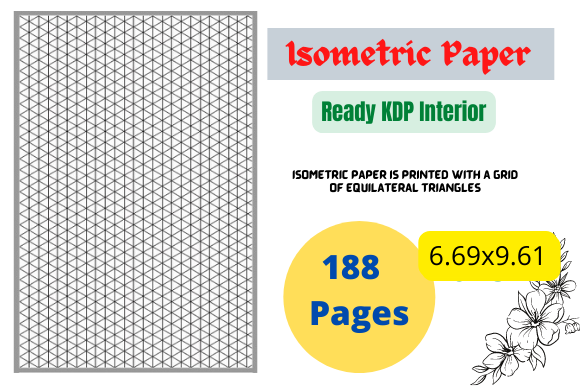
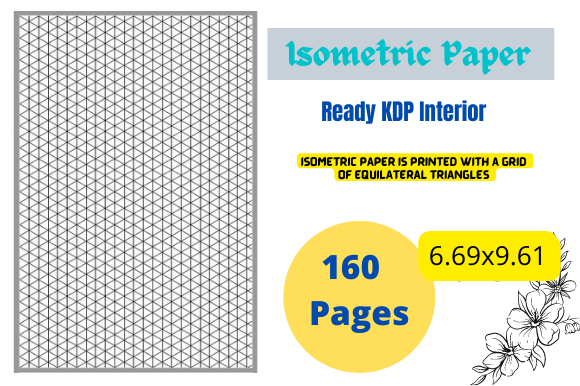
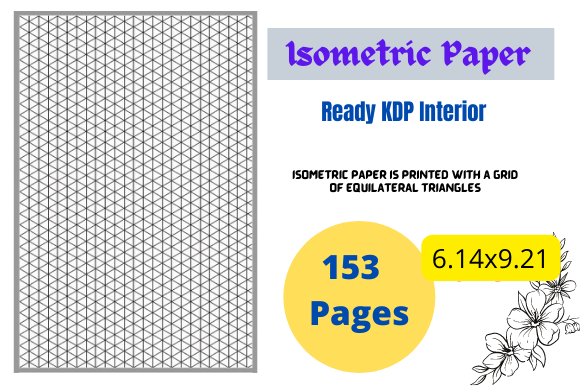
Isometric paper is a unique type of grid paper designed to help visualize and create three-dimensional objects on a two-dimensional surface. It features a grid of equilateral triangles, each measuring approximately 0.28 inches. This structured layout makes it an essential tool for artists, designers, and students who want to explore the world of 3D design in a practical and accessible way.
What Is Isometric Paper?
At its core, isometric paper is a specialized form of graph paper that uses a series of diagonal lines to represent depth and perspective. Unlike traditional grid paper with horizontal and vertical lines, isometric paper creates a sense of three-dimensionality through its triangular pattern. This makes it ideal for drawing objects like boxes, staircases, and other structures that require a realistic spatial representation.
One of the key benefits of isometric paper is its ability to simplify complex shapes. Whether you're sketching a building, designing a sculpture, or creating a puzzle, the grid helps maintain proportion and balance. This is especially useful for those who are new to 3D design, as it provides a clear framework to follow.
Why Use Isometric Paper?
Isometric paper is invaluable for anyone involved in three-dimensional design, whether professionally or as a hobby. Its applications span across various fields, including architecture, landscaping, and sculpture. For instance, architects can use it to draft preliminary designs, while landscapers might use it to plan garden layouts with a sense of depth.
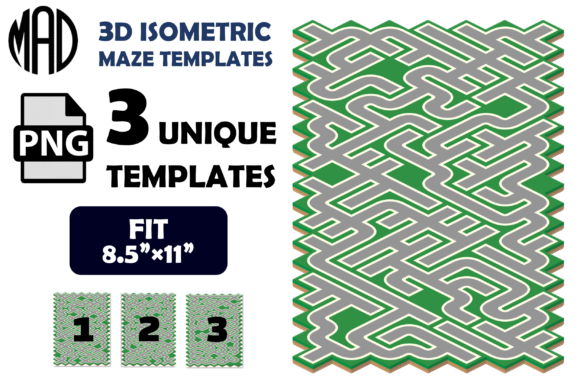
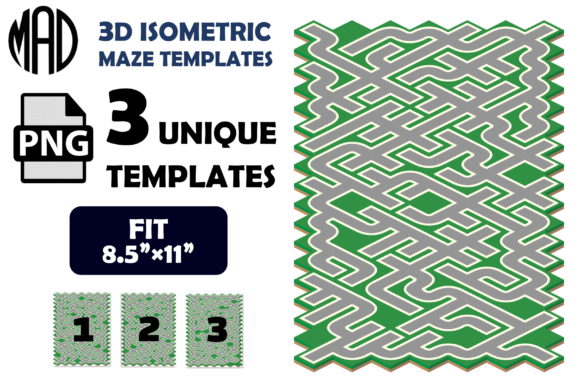
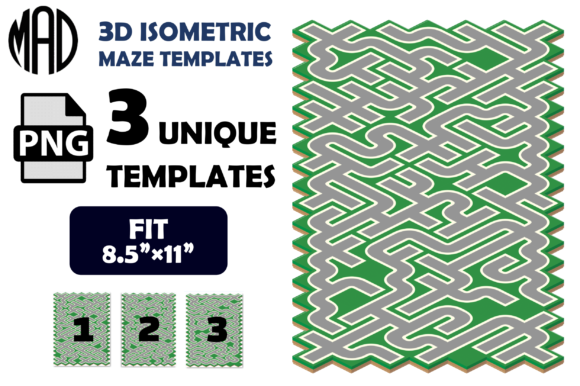
Artists also find it appealing for creating intricate 3D images reminiscent of the works of M.C. Escher. These designs often feature complex patterns, labyrinths, and impossible geometries that challenge the viewer’s perception. With isometric paper, such creations become more achievable and visually engaging.
In recent years, isometric paper has gained popularity in the realm of 3D printing. Many schools and colleges now offer 3D printing classes, and students use isometric paper to plan their projects before moving to digital modeling. It serves as a bridge between hand-drawn sketches and digital design, making it a valuable resource for both beginners and experienced creators.
Practical Uses of Isometric Paper
Isometric paper is not limited to artistic or architectural applications. It can also be used for geometry, helping students understand spatial relationships and geometric principles. Teachers often use it to demonstrate concepts like volume, angles, and symmetry in a more visual and interactive way.
For entrepreneurs and small business owners, isometric paper can be a useful tool for prototyping product designs or creating mockups for presentations. It allows for quick and accurate representations of ideas, which can be especially helpful when pitching concepts to clients or investors.
Freelancers and bloggers may find it useful for creating infographics or visual content that requires a 3D effect. The structured grid ensures consistency and precision, making it easier to produce professional-looking work without the need for advanced software.
Choosing the Right Isometric Paper
When selecting isometric paper, consider the size and format that best suits your needs. The standard dimensions for isometric paper are 6.14 x 9.21 inches, making it suitable for most personal and professional projects. Some versions come with a bleed PDF file, which is ideal for printing and publishing purposes.
If you're planning to use isometric paper for a book or publication, look for options that are ready for KDP (Kindle Direct Publishing) or other print-on-demand services. These formats ensure that your content is properly aligned and formatted for high-quality printing.
It's also important to choose a version of isometric paper that is new and original, avoiding any duplicate content. This ensures that your work remains unique and meets the standards required for commercial or educational use.
Getting Started with Isometric Paper
If you're new to isometric paper, start by experimenting with simple shapes. Draw a cube, a staircase, or a basic structure to get a feel for how the grid works. As you become more comfortable, you can move on to more complex designs, such as mazes or layered scenes.
For those interested in 3D printing, using isometric paper to sketch out your ideas before transitioning to digital tools can save time and improve accuracy. It also helps you visualize how your final product will look in real life.
Whether you're an artist, student, or professional, isometric paper offers a versatile and creative way to explore three-dimensional design. Its structured grid and practical applications make it a valuable resource for anyone looking to bring their ideas to life in a visual and tangible way.