The Art and Significance of Tuna Logo Design
In the world of design, a logo is more than just a symbol—it's a visual representation of identity, values, and purpose. When it comes to seafood businesses, especially those centered around tuna, the logo plays a crucial role in conveying freshness, quality, and authenticity. A well-designed tuna logo can serve as a powerful tool for branding, marketing, and customer engagement. From simple silhouettes to intricate illustrations, the design of a tuna logo reflects not only the product but also the broader concept of marine life, nature, and culinary art.
Understanding the Purpose of a Tuna Logo
A tuna logo is typically used by businesses in the food industry, such as restaurants, grocery stores, or seafood markets. Its primary function is to communicate the essence of the brand—whether it's about sustainability, freshness, or tradition. The logo may include elements like fish, waves, or oceanic symbols to reinforce the connection between the business and the sea.
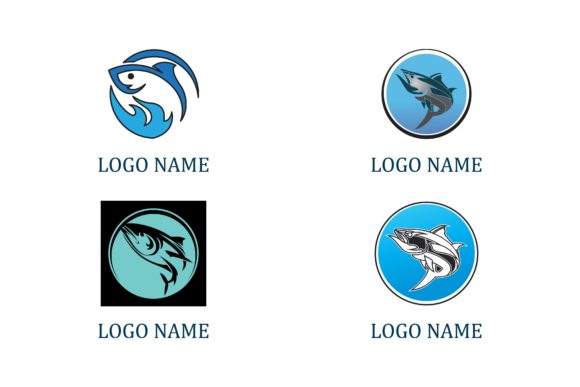
For example, a minimalist tuna logo might feature a sleek, black or white silhouette of a tuna swimming through water, while a more retro design could incorporate vintage typography and nautical motifs. These choices help create a visual language that resonates with the target audience.
Key Elements in Tuna Logo Design
- Iconography: A tuna logo often includes a stylized image of a fish, either in a cartoon style or a more realistic illustration. This helps make the logo instantly recognizable.
- Color Palette: Common colors include blue, green, and white, which evoke feelings of freshness and nature. Some logos may use red or orange to highlight the energy and vibrancy of the sea.
- Typography: The choice of font can greatly influence the tone of the logo. Modern sans-serif fonts may convey a corporate or professional feel, while hand-drawn or organic styles suggest a creative or artisanal approach.
- Symbolism: Elements like waves, fishhooks, or oceanic patterns can add depth to the design, reinforcing the connection between the brand and the sea.
The Role of Tuna Logos in Business and Branding
For businesses in the seafood industry, a tuna logo is more than just an aesthetic choice—it's a strategic decision that impacts how customers perceive the brand. A strong logo can differentiate a business from its competitors and build trust with consumers who are looking for high-quality, fresh products.
Consider a cafe that specializes in sushi or a restaurant that serves grilled tuna. A well-crafted logo can help establish the establishment's identity and attract the right audience. It can also be used across various platforms, including packaging, menus, and online marketing, creating a cohesive brand experience.
Examples of Effective Tuna Logo Designs
- Minimalist Approach: A simple, line-art design featuring a silhouette of a tuna swimming through water. This type of logo is ideal for businesses that want to emphasize simplicity and cleanliness.
- Vintage Style: A logo with a retro feel, using hand-drawn elements and old-timey typography. This style appeals to customers who appreciate nautical themes or classic seafood traditions.
- Modern and Abstract: A logo that uses abstract shapes and bold colors to represent the energy and movement of the ocean. This style works well for innovative or creative brands looking to stand out.
Tuna Logos in the Digital Age
In today's digital landscape, a tuna logo must be versatile enough to work across different mediums, from websites to social media profiles. It should be scalable, meaning it looks good in both large and small formats. Additionally, the logo should maintain its clarity when printed on packaging, labels, or business cards.
With the rise of digital marketing, many businesses are also incorporating animated or interactive elements into their logos. For instance, a vector graphic of a tuna could be designed to "swim" across a screen, creating a dynamic and engaging visual experience.
Designing a Tuna Logo: Tips and Best Practices
- Start with the Concept: Before choosing any visuals, define the core message of the brand. Is it about sustainability, freshness, or tradition? This will guide the design process.
- Focus on Simplicity: A cluttered logo can confuse viewers. Keep the design clean and uncomplicated, allowing the main elements to shine.
- Test Different Formats: Ensure the logo works in black and white, color, and different sizes. This increases its versatility and effectiveness.
- Seek Feedback: Get input from others to see if the logo communicates the intended message clearly. A fresh perspective can reveal strengths and weaknesses you may have overlooked.
Conclusion
A tuna logo is more than just a symbol—it's a reflection of a brand's identity and values. Whether it's a simple line drawing or a complex illustration, the design should capture the essence of the sea and the freshness of the product. By understanding the purpose, elements, and best practices of logo design, businesses can create a powerful visual identity that resonates with customers and stands the test of time.