Paper Activities Book 6.69x9.61
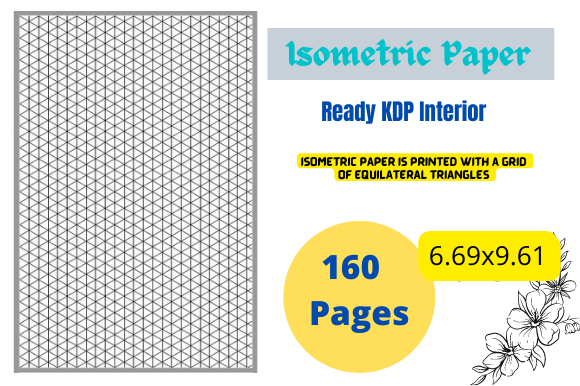
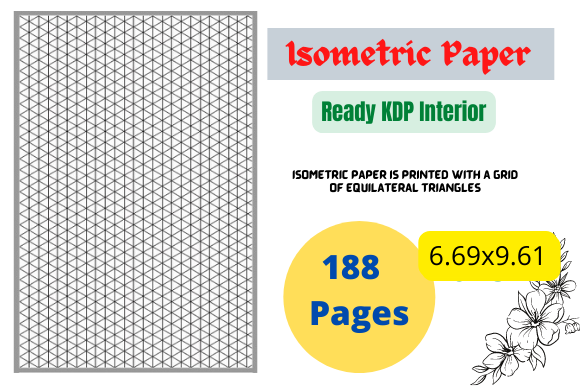
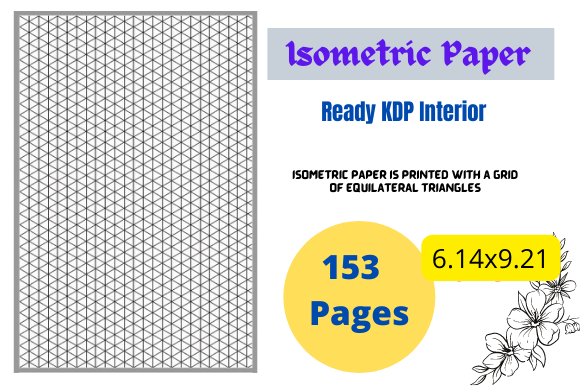
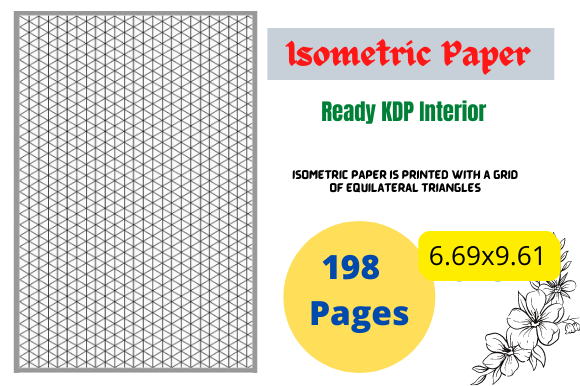
The Paper Activities Book 6.69x9.61 is a versatile tool for anyone involved in design, art, or creative problem-solving. Its dimensions—6.69 inches by 9.61 inches—make it easy to handle and ideal for both on-the-go sketching and detailed planning. This book features isometric paper, which is printed with a grid of equilateral triangles measuring .28 inches. The precision of this grid makes it an essential resource for creating three-dimensional designs, whether you're working on architectural blueprints, landscaping plans, or intricate sculptures.
One of the most appealing aspects of this paper is its ability to bring depth and dimension to any project. Artists often use it to create complex 3D images that resemble the works of MC Escher, with labyrinths of boxes, staircases, and impossible geometries. It's also a favorite among those who work with 3D printers, as it allows for precise planning and visualization of digital models before they are printed. With the rise of 3D printing in schools and colleges, this type of paper has become a staple for students and educators alike.
Where Paper Activities Book 6.69x9.61 Shines
This paper is particularly effective in creative and commercial projects that require spatial reasoning. In architecture and engineering, it helps visualize structures and layouts with clarity. For designers, it serves as a foundation for developing packaging concepts, editorial layouts, or even logo designs that incorporate geometric elements. Its structured grid supports both technical accuracy and artistic expression, making it a valuable addition to any designer’s toolkit.
In marketing and branding, the Paper Activities Book 6.69x9.61 can be used to sketch out visual concepts for campaigns, social media graphics, or product packaging. It’s also useful for content creators who want to experiment with 3D illustrations or infographics that require a sense of depth. Whether you're working on a personal project or a professional one, this paper offers a level of detail that can elevate your work from good to exceptional.
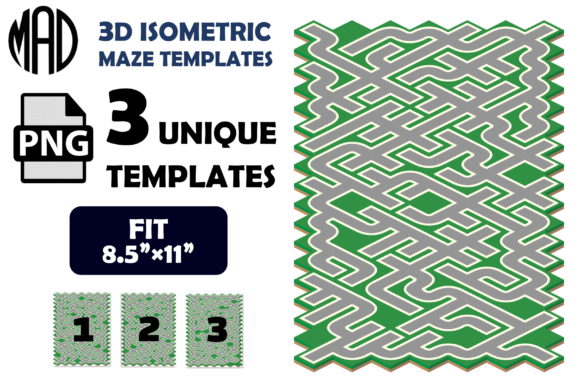
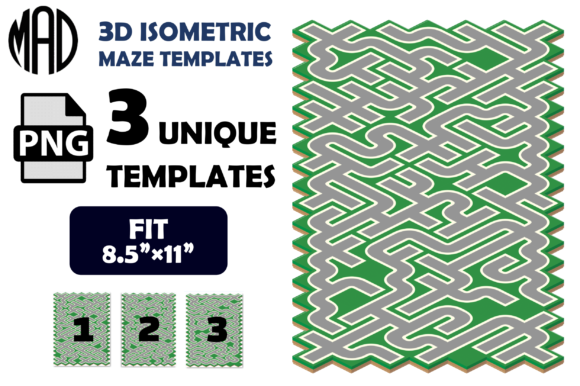
For educational purposes, it’s an excellent resource for teaching geometry, spatial awareness, and design principles. Teachers and students can use it to explore shapes, angles, and perspectives in a hands-on way. Its appeal extends beyond classrooms, as hobbyists and crafters also find value in its structured format for creating puzzles, mazes, or custom patterns.
How the Paper Influences Design and Perception
The visual structure of the Paper Activities Book 6.69x9.61 plays a key role in how it affects readability and visual hierarchy. The isometric grid provides a clear framework that guides the eye and organizes information in a logical way. This makes it easier to communicate complex ideas, especially when working with 3D elements that might otherwise be confusing on a flat surface.
From a branding perspective, using this paper can reinforce a professional and innovative image. It signals attention to detail and a commitment to quality, which can enhance brand perception. Consistency in design is also supported by the uniformity of the grid, ensuring that all elements align and maintain a cohesive look across different projects.
Audience engagement is another benefit. When presenting ideas or concepts, the use of isometric paper can make the information more engaging and interactive. It encourages viewers to think spatially and explore the design in a more dynamic way. This can be especially useful in presentations, portfolios, or client meetings where visual communication is key.
Choosing and Using the Paper Effectively
When considering the Paper Activities Book 6.69x9.61 for your projects, it’s important to evaluate how well it fits your specific needs. If your work involves 3D modeling, architectural drafting, or puzzle creation, this paper will likely be a valuable asset. However, if your focus is on text-heavy documents or simple illustrations, you may find other types of paper more suitable.
Testing font pairings and design elements is also crucial. While the paper itself doesn’t include typography, the way you use it can influence how fonts interact with the grid. For example, a modern sans serif font might complement the clean lines of the isometric layout, while a handwritten or script font could add a more organic feel to your designs.
Readability should always be a priority. Even with the structured grid, it’s important to ensure that your text and illustrations are clear and easy to understand. Avoid overcrowding the page, and use the grid to your advantage by aligning elements precisely. This not only improves aesthetics but also enhances functionality.
Commercial licensing is another factor to consider. If you plan to use the Paper Activities Book 6.69x9.61 in a professional context, make sure you have the proper rights and permissions. Many design assets come with specific usage terms, so it’s wise to review these carefully before incorporating them into your work.
Practical Recommendations for Creative Professionals
For designers and creatives, the Paper Activities Book 6.69x9.61 is more than just a tool—it’s a platform for innovation. Use it to experiment with new ideas, refine your skills, and bring your visions to life. Whether you’re working on a personal project or a client assignment, this paper offers the flexibility and precision needed to achieve high-quality results.
Consider integrating it into your workflow for tasks that require spatial thinking. Sketch out concepts, plan layouts, or test design elements before finalizing your work. Its portability and durability make it a reliable companion for both studio and fieldwork.
Ultimately, the Paper Activities Book 6.69x9.61 is a powerful resource for anyone looking to explore the intersection of design, geometry, and creativity. Its unique properties and practical applications make it a must-have for professionals and enthusiasts alike. By leveraging its strengths, you can enhance your projects and push the boundaries of what’s possible in your creative practice.